A shared wish to marry is a beginning, not a complete picture of the life you would build together. Useful questions before marriage explore faith, family, money, where you will live and how you handle differences. The aim is understanding, rather than finding someone who gives a perfect answer to everything.
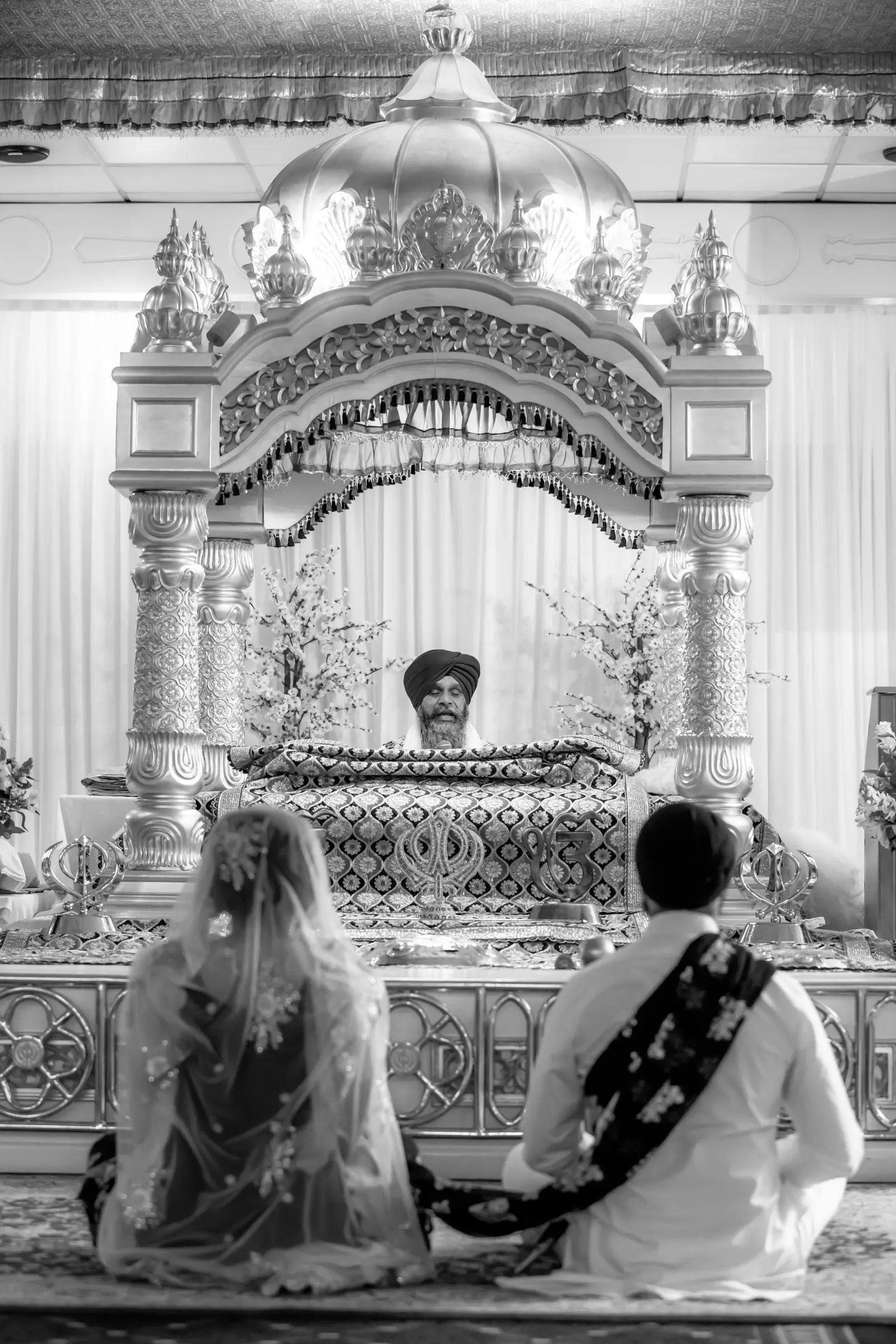
For Sikh couples, a conversation about Anand Karaj can sit alongside ordinary questions about work, household responsibilities and time with family. Both matter. You are discussing a lifelong partnership as well as a wedding.
Ask yourself some questions too
In YourLavaan's conversation with Dr Darshan Kaur, preparation for marriage includes becoming more aware of your own expectations and reactions. Alongside asking what you want from a partner, consider: “What do I find difficult to talk about? How do I respond when someone sees things differently? Which expectations have I inherited without questioning them?”
You do not need to be perfect before meeting someone. These questions can help you explain yourself honestly and recognise where you still want to grow. They also leave space for a partner to be a person with their own perspective, rather than an answer to every uncertainty in your life.
Start with a conversation, not an interview
Choose two or three questions at a time, share your own answers and leave room to think. A first introduction does not need to become a detailed financial discussion. As trust and commitment grow, return to the subjects that will shape your shared life.
Try opening with: “I would like us to understand what marriage means to each of us. Is there a good time this week to talk about it?” Notice whether both people can ask questions, disagree respectfully and say they are not ready to discuss something.
Faith and the life you want to share
- What does your relationship with Sikhi look like in everyday life?
- What would you like us to understand about each other's spiritual journey?
- How would we make space for Gurdwara, seva, learning or other practices that matter to us?
- What does the commitment of Anand Karaj mean to you beyond the ceremony?
A label on a profile cannot answer these questions for you. Describe actual routines and hopes without turning faith into a competition. If your expectations differ, talk about what living with that difference would mean. Our guide to Anand Karaj offers a starting point for learning about the ceremony.
Family involvement and boundaries
- When would we each feel comfortable involving our families?
- Would we expect to live with family, separately or decide later?
- What caring responsibilities do we already have?
- How would we respond if relatives disagreed with a decision we made together?
Be specific about visits, privacy and decision-making. “Family is important to me” might mean weekly visits to one person and sharing a home to another. Neither meaning should be assumed. Respect for family and the couple's ability to make decisions both need practical discussion.
Money, work and household responsibilities
- How do we each approach spending, saving and financial commitments?
- What would we need to understand about each other's finances before committing?
- How might career changes, study or caring responsibilities affect our plans?
- How would we share cooking, cleaning, planning and the less visible work of running a home?
You do not need to share passwords or account access to have an honest conversation. Start with expectations, then discuss relevant commitments as the relationship becomes serious. Avoid assuming that income, gender or working from home automatically decides who does the household work.
Location and future plans
- Where do we realistically want to live?
- Would either of us consider relocating, and what would make that difficult?
- Do we want children, and how do we each feel about parenting?
- What pace of relationship feels right, without pressure from other people?
Location is more than a distance filter. Work, caring commitments, community and travel costs can all affect what is possible. If you live apart, use our long-distance relationship questions to turn a hopeful “we will work it out” into a clearer discussion.
Disagreements, support and repair
- What helps you feel heard during a disagreement?
- How can we ask for a pause without leaving the other person uncertain?
- What would a meaningful apology look like to you?
- Who could we turn to for support if we became stuck?
Look at actions as well as answers. Someone may describe themselves as a good listener; what matters is whether there is room for your view when a real difference appears. Our guide to calmer disagreements includes example wording you can adapt.
What should you do with different answers?
Separate preferences, practical constraints and essential values. A preferred weekend routine may be flexible; incompatible plans about children or where to live may need much more thought. Do not agree simply to preserve momentum or assume marriage will change the other person's position.
Write down three things you understand better and one conversation to revisit. There is no compatibility score to pass. A useful outcome can be a clearer next step, more time to think, or an honest decision that your plans do not fit.
Looking for someone with marriage in mind?
YourLavaan supports Sikh matrimony in the UK through an app-led approach alongside family and community introductions. Read who the app is for and how it works before joining. Shared intentions can help you start a conversation; understanding each other still takes time.